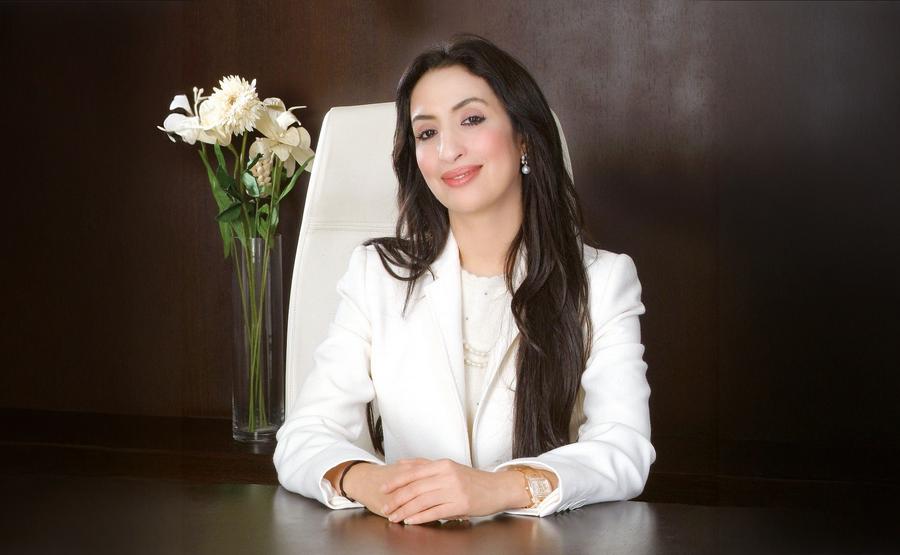
Salwa Idrissi Akhannouch at a glance
- Role: Founder of AKSAL Group, which she created in 2004
- Sectors: fashion and luxury retail, brand franchising, shopping malls, beauty
- Brands: sole franchise partner in Morocco for around 45 international brands, including Zara, Massimo Dutti, Pull & Bear, Bershka, Oysho, Gap, Banana Republic, Fendi, Gucci, Ralph Lauren and Emporio Armani
- Own brand: Yan&One, a cosmetics and beauty brand launched in 2017
- Flagship asset: Morocco Mall in Casablanca, opened in 2011, about 10 hectares with 70,000 square meters of commercial space
- Team: more than 1,130 employees (Forbes Middle East, 2023)
Career timeline
- 12004: founds AKSAL Group and starts building a portfolio of exclusive international brand franchises in Morocco.
- 22008: launches the Morocco Mall project in Casablanca.
- 32011: Morocco Mall opens, and AKSAL creates the AKSAL Academy to train people for retail careers.
- 42017: launches her own cosmetics and beauty brand, Yan&One.
- 52023: registers a new company, AKS Mode, in Casablanca, as reported by the Moroccan business press.
AKSAL Group and Morocco Mall
AKSAL Group made its name by bringing global fashion and luxury brands to Moroccan consumers through exclusive franchise agreements, then by building the retail space to host them. Morocco Mall, developed by the group and opened in 2011, became one of the largest shopping centers in Africa and a destination for both residents and tourists. The group also runs the AKSAL Social Initiative, which supports social, cultural, educational and health projects.
Family and public profile
Salwa Idrissi Akhannouch was born in Casablanca into a family of entrepreneurs; her grandfather, Haj Ahmed Benlafkih, built his fortune in the tea trade in the 1960s. She is married to businessman Aziz Akhannouch, majority owner of Akwa Group, who became Morocco's Head of Government in 2021. She has appeared for several years in Forbes Middle East rankings of the region's most powerful businesswomen.
Who she is
Salwa Idrissi Akhannouch is one of Morocco's most powerful business figures. As the leader behind Aksal Group, she has shaped Morocco's modern retail landscape, bringing international premium brands to the Moroccan market and developing commercial real estate projects that have redefined consumer expectations.
Her influence extends beyond business into the cultural and social fabric of Moroccan commerce. She hasn't just sold products — she has shaped how Moroccans experience retail, leisure, and premium consumption.
What she built
Aksal Group's portfolio is a study in strategic brand positioning. The group holds master franchise rights for some of the world's most recognized brands in Morocco — Zara, Zara Home, and other Inditex brands, among others — and has developed major commercial centers including Morocco Mall, one of Africa's largest shopping destinations.
But the real achievement isn't the brands or the square meters. It's the ecosystem she has created: a retail infrastructure that has professionalized the Moroccan consumer market and attracted international brands that previously considered Morocco too small or too risky.
Morocco Mall in Casablanca, developed by Aksal Group, covers about 10 hectares, with around 70,000 square meters of commercial space, and attracts millions of visitors annually, positioning Morocco as a premium retail destination in Africa.
Market positioning decisions
The strategic decisions behind Aksal's success reveal a sophisticated understanding of market evolution:
- Securing master franchise rights for international brands rather than building new local brands — reducing brand risk while capturing market timing
- Investing in commercial real estate to control the distribution environment, not just the products sold within it
- Positioning Morocco as a premium retail market, which attracted further international investment and brand interest
- Building scale across the value chain — from real estate development to brand management to retail operations
Leadership and group structuring
What distinguishes Idrissi Akhannouch's leadership is the integration of vision with operational execution. She doesn't just select brands — she builds the infrastructure that makes those brands successful in the Moroccan context.
The best retail leaders don't follow consumer trends — they shape them. Creating a market is harder than capturing one, but the competitive moat is incomparably deeper.
Her approach to group structuring reflects a long-term orientation: each new brand or project strengthens the overall ecosystem rather than operating as an isolated venture. This integration creates compounding advantages that standalone retail operations cannot match.
Lessons for Moroccan entrepreneurs
- Market creation is more valuable than market capture — building consumer expectations creates barriers that competitors cannot easily overcome
- Controlling the infrastructure (real estate, logistics, brand rights) creates more durable competitive advantages than controlling individual products
- Premium positioning in an emerging market requires patience and capital, but the long-term returns justify the investment
- International partnerships and franchise models can accelerate market development while managing risk
- Scale across the value chain compounds advantages in ways that specialization cannot
Salwa Idrissi Akhannouch's trajectory demonstrates that building a business empire in Morocco requires not just commercial acumen, but the strategic patience to shape markets rather than merely react to them.